
Healthcare
What Every GP Should Know: Caring for People with Developmental Disabilities
Caring for individuals with developmental disabilities requires adjustments that go beyond standard practice.

Caring for individuals with developmental disabilities requires adjustments that go beyond standard practice. With empathy and awareness, general practitioners can dramatically improve both the medical experience and outcomes for these patients and their families.
Doctor’s Checklist: Caring for Individuals with Complex Developmental Profiles
A practical checklist covering parent partnership, sensory and waiting accommodations, documentation, care coordination, and compassionate support.
Respect and listen to parents' input. Parents and caregivers know their children best. Their daily lived experience provides insights no test or chart can capture. Listening carefully can change the course of medical outcomes and strengthen trust.
Unfamiliar environments can heighten stress. New places, loud sounds, or bright lights can trigger overwhelm. Parents recognize these signals early and can guide providers in preventing escalation. Allowing adequate time and avoiding a rushed pace reduces stress and improves care.
Recognize the symptoms. Inflexibility, trouble with transitions, and sensitivity to light or noise are not willful choices; they are diagnostic features of autism and related conditions. Providers must balance inflexibility with flexibility—adjusting schedules, environments, or exam methods—to support accurate and compassionate care.
Waiting is often a major barrier. Many individuals with developmental disabilities struggle with executive functioning and abstract concepts like time. Practical supports—such as waiting in the car with text alerts—make visits more manageable for both the child and family.
Support families navigating complex systems. Parents often manage overwhelming paperwork across schools, insurance, and medical agencies. Clear, timely, and thorough documentation from providers can mean the difference between a child receiving vital services or being left without support.
Collaboration with other medical providers is critical. Neurologists, Psychiatrists, and subspecialists are often part of the care team. Coordinated communication improves accuracy in diagnosis and streamlines treatment.
Finally, physicians must be aware of the challenges of supporting families through medical complexity. Many children’s bodies respond unpredictably to treatments due to neurological, genetic, or metabolic differences. There may be no straightforward cure. Families carry the sadness and frustration of this reality daily. Providers must remain open-minded and compassionate, offering support alongside clinical care.
By respecting parent insight, adjusting environments, reducing waiting stress, supporting documentation needs, coordinating with other providers, and approaching medical complexity with compassion, general practitioners can transform care for individuals with developmental disabilities.
If you're a parent and would like to become a member of our community, you can click here to register and gain access to parent recommendations and other resources.
Comments
Comments are reviewed by our team before they are published.
Sign in to join the conversation and leave a comment.
Sign inLoading comments…
Keep reading

Healthcare
The Definition of ADHD: Myths & Truths
A guide to understanding common ADHD myths and the facts behind them.
Read

Healthcare
Having Trouble Finding a Good Doctor for Your Loved One with I/DD? Here’s Why
September 17, 2025 - The Boost News Finding good medical care for people with intellectual and developmental disabilities (I/DD) can be difficult to do — all the more so if they have Medicaid, given t
Read
Healthcare
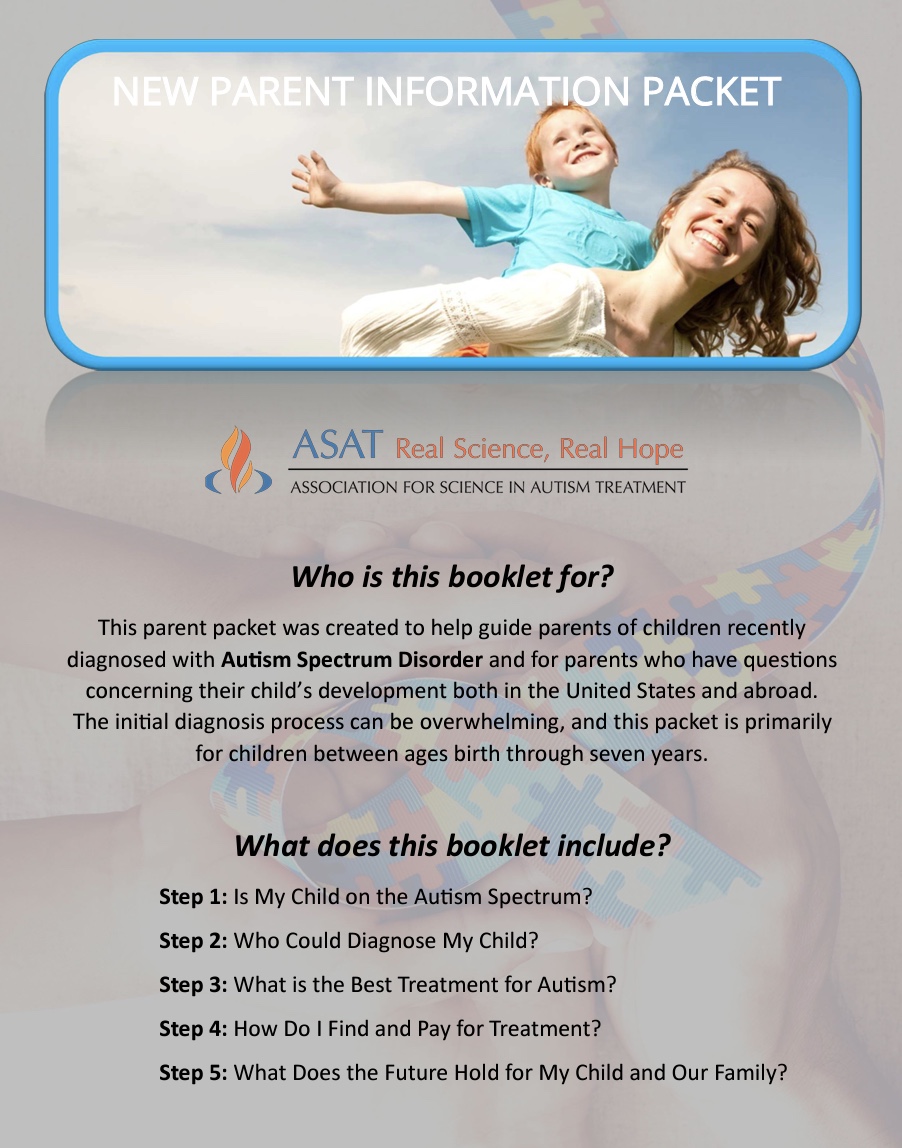
Association For Science in Autism Treatment
A curated resource from the Association for Science in Autism Treatment.
Read
Find providers other parents trust
Search the community-vetted directory or share a provider that helped your family.